Caring for Your Clothes: Washing and Storage Tips That Last
The clothes you buy are only as good as how you care for them. Proper washing and storage can double or triple a garment's lifespan, saving you money and reducing waste. Here's how to keep your clothes looking great for years.
Read Care Labels Seriously
Care labels aren't suggestions—they're instructions based on fabric composition. A jumper marked "hand wash" will pill and shrink if machine washed. Follow the temperature recommendations, dry-cleaning symbols, and bleach warnings. If you're unsure, err on the side of caution with gentler treatment.
Wash Less Frequently
Many clothes don't need washing after every wear. Jeans, jumpers, and outer layers can be worn several times before washing. Underwear, socks, and items that touch skin need more frequent washing. Spot-clean small marks rather than washing entire garments. This reduces wear and fading significantly.
Turn Clothes Inside Out
When washing, turn items inside out. This protects colours from fading and reduces pilling on the surface. It's especially important for dark colours and printed designs. This simple step makes clothes look newer for longer.
Use the Right Water Temperature
Hot water fades colours and damages delicate fibres. Cold water cleans effectively for most loads and is gentler on fabrics. Warm water works for whites and heavily soiled items. Cold water also uses less energy, saving money on bills.
Choose Appropriate Detergent
Delicate fabrics need gentle detergent. Wool requires specialist products. Don't use too much detergent—excess residue builds up and dulls colours. For everyday clothes, a standard detergent works fine, but follow dosage instructions.
Dry Carefully
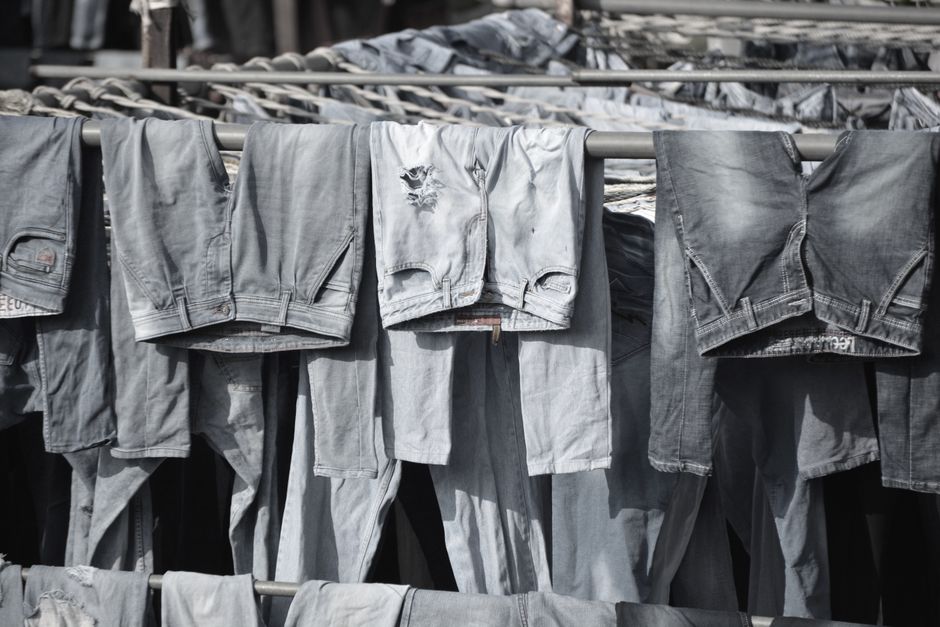
Air-drying is gentlest and extends fabric life. Tumble dryers damage most fabrics and cause shrinkage. If you must use a dryer, use low heat and remove items promptly. Lay flat or hang delicate items to dry, especially knitwear which stretches when wet.
Store Properly
Clean clothes before storing them—insects and stains set during storage. Use wooden or padded hangers for items you'll hang; plastic hangers can leave marks. Fold heavier knits to prevent stretching. Keep storage areas dry and dark to prevent fading and mildew. Cedar blocks or lavender sachets naturally deter moths without harsh chemicals.
Deal with Pilling
Pilling is normal wear, not a quality defect. Use a fabric shaver or pilling comb to remove bobbles gently. This refreshes garments and keeps them looking newer.
With these care practices, your clothes stay looking better longer, you save money by replacing items less often, and you reduce your environmental impact. It's a win for your wallet and the planet.